
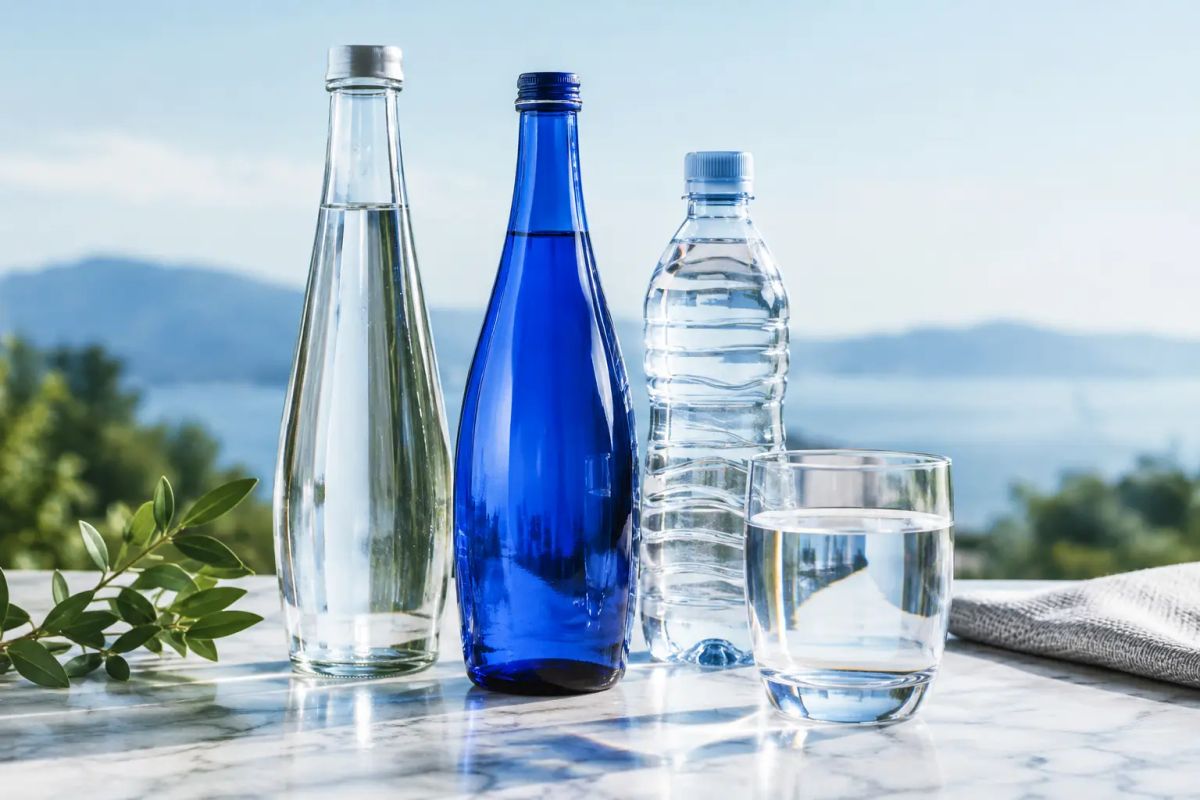
A bottle of water can say more than its label design suggests. Its source, mineral profile, and texture can create a distinct experience at the table, much like a coffee’s origin or a wine’s vintage. This guide to premium water brands is about learning to see beyond the glass: what the numbers mean, why source matters, and how to choose a bottle with intention.
Premium water is not simply water in a more beautiful package. The category is defined by provenance, composition, and character. Some waters arrive crisp and nearly weightless. Others have a rounder palate, a saline edge, or a soft mineral finish that lingers after a sip. The point is not to declare one profile superior. It is to recognize that water has a point of view.
What Makes a Water Brand Premium?
The best premium water brands tend to offer clarity about where the water comes from and what is naturally present in it. A spring, artesian aquifer, mineral source, glacier-fed source, or purified source each tells a different story. That story should be more than marketing language. It should connect to useful facts about origin and composition.
Source is the first distinction. Natural spring water typically emerges from an underground formation and is collected at the spring or through a borehole connected to it. Artesian water comes from a confined underground aquifer under natural pressure. Natural mineral water is associated with a stable mineral composition at the source, although labeling conventions and definitions can vary by market.
Purified water belongs in the conversation too, particularly when a brand is transparent about its treatment process and final mineral profile. It may offer a clean, neutral style that suits a certain occasion. But it should not be mistaken for naturally mineral-rich spring water simply because the bottle looks luxurious. Premium is about specificity, not a single source category.
A thoughtful brand makes it possible to understand three things: where the water begins, what remains in the water, and how those details shape the drinking experience.
A Guide to Premium Water Brands Through the Label
A water label is often sparse, which can make the available details easy to overlook. Start with the source statement, then look for a mineral analysis or composition panel. If neither is present, the bottle may still be enjoyable, but it gives you less information with which to assess its character.
Mineral composition: the foundation of taste
Calcium and magnesium are two of the most recognizable minerals on a water analysis. Together, they often contribute to a firmer, more structured palate. A water with higher calcium may feel chalky, creamy, or gently dry depending on the full composition. Magnesium can bring a subtle bitterness or savory quality when present in more noticeable amounts.
Sodium is another useful reference point. It can give water a faintly saline or rounded impression, especially alongside other dissolved minerals. A higher sodium figure is not automatically a flaw or a virtue. It is simply part of the water’s signature, and it may feel especially expressive beside food.
Bicarbonate often shapes the overall feel of mineral water. Waters with more bicarbonate can seem smooth, broad, or softly alkaline in character. Sulfate and chloride, when listed, also matter. Sulfate may bring a dry or mineral-forward finish, while chloride can add a subtle savory note.
The key is to read the profile as a whole. One number rarely explains a water’s taste. A composition with moderate calcium, magnesium, and bicarbonate may feel balanced and polished, while a water with a more dramatic mineral load can be striking, intense, and highly distinctive.
TDS: a measure of presence, not quality
TDS stands for total dissolved solids. It is a broad measurement of dissolved minerals and salts, usually expressed in milligrams per liter. In practical tasting terms, lower-TDS water often feels lighter and more neutral, while higher-TDS water can feel denser, more mineral, and more persistent on the palate.
There is no universal ideal TDS. A delicate, low-TDS water may be a beautiful choice for a refined tea service, a light aperitif moment, or a meal where you want the food to lead. A more mineral-forward water can be compelling on its own or beside richer dishes. The value of TDS is context: it helps set expectations before the first sip.
pH: useful, but not a scorecard
pH indicates whether water is acidic, neutral, or alkaline on a scale. It is commonly highlighted on premium bottles, but it is only one part of the profile. Two waters with a similar pH can taste completely different because their mineral compositions differ.
Treat pH as a descriptive data point, not a shortcut to quality. Origin, mineral balance, carbonation, temperature, and the setting in which you drink the water all have more to say about the experience than one number alone.
Still, Sparkling, and the Role of Carbonation
Carbonation changes water’s texture as much as its aroma and finish. Fine, persistent bubbles can make a water feel elegant and lifted. Larger, more assertive bubbles create a livelier impression, especially alongside food with richness or salt.
Still water lets mineral character show with fewer distractions. It is often the clearest way to notice a water’s body, softness, and finish. Sparkling water brings another dimension: carbon dioxide adds brightness and can make the same source feel more vivid.
Neither style is inherently more premium. Consider the moment. Still water may suit a quiet tasting, a delicate seafood course, or a coffee service. Sparkling water can offer contrast with creamy dishes, fried foods, or a celebratory table. Serve both at a restaurant-quality meal and the difference becomes immediately useful.
How to Taste Water With More Attention
You do not need a formal tasting room to begin. Use a clean, odor-free glass and taste water at a cool, not icy, temperature. Extreme cold suppresses flavor and texture, making subtle differences harder to perceive.
First, notice the nose. Most water has a restrained aroma, but sparkling water may release a faint mineral or stone-like impression. Then take a small sip and let it move across the palate. Ask a few precise questions: Does it feel light or weighty? Soft or structured? Neutral, saline, chalky, creamy, or crisp? Does the finish disappear quickly or remain present?
Taste two waters side by side if possible. Comparison makes language easier to find. A low-mineral water may suddenly seem silkier when placed beside a high-mineral example. A bottle that initially feels neutral may reveal a delicate salinity after another water resets your palate.
This is not about finding the correct answer. Sensory language is personal, and temperature, glassware, and food can shift perception. What matters is building a vocabulary that helps you choose with confidence.
Choosing a Premium Bottle for the Occasion
For everyday drinking, you may prefer a water whose mineral character you genuinely enjoy over time. Some people gravitate toward a restrained, clean profile; others want more structure and a lingering finish. Let preference lead rather than prestige.
For food, think in terms of contrast and harmony. A light still water can sit quietly beside subtle dishes. A structured mineral water can hold its own next to grilled meats, aged cheeses, or deeply savory flavors. Sparkling water can bring a refreshing counterpoint to rich textures. These are starting points, not rules. A surprising pairing can be the most memorable one.
For hosting, source transparency and presentation both matter. A bottle with a clear origin story invites conversation, while a composition that suits the menu makes the choice feel considered. Presenting more than one style is a gracious detail: still for calm and clarity, sparkling for energy and contrast.
Make the Information Easy to Use
Data becomes more meaningful when you can access it in the moment. Water Sommelier helps identify a bottle with your phone camera and surfaces educational details about its origin, mineral composition, pH, and TDS. Point. Shoot. Know. It is a practical way to turn a restaurant table, hotel minibar, or specialty market shelf into a small lesson in taste.
The next time you choose a bottle, pause before you twist the cap. Read the source. Notice the minerals. Taste the finish. There is a world inside every bottle, and paying attention is where it begins.
Scan any bottle. Discover its minerals, origin, and character. Get the Water Sommelier app.