
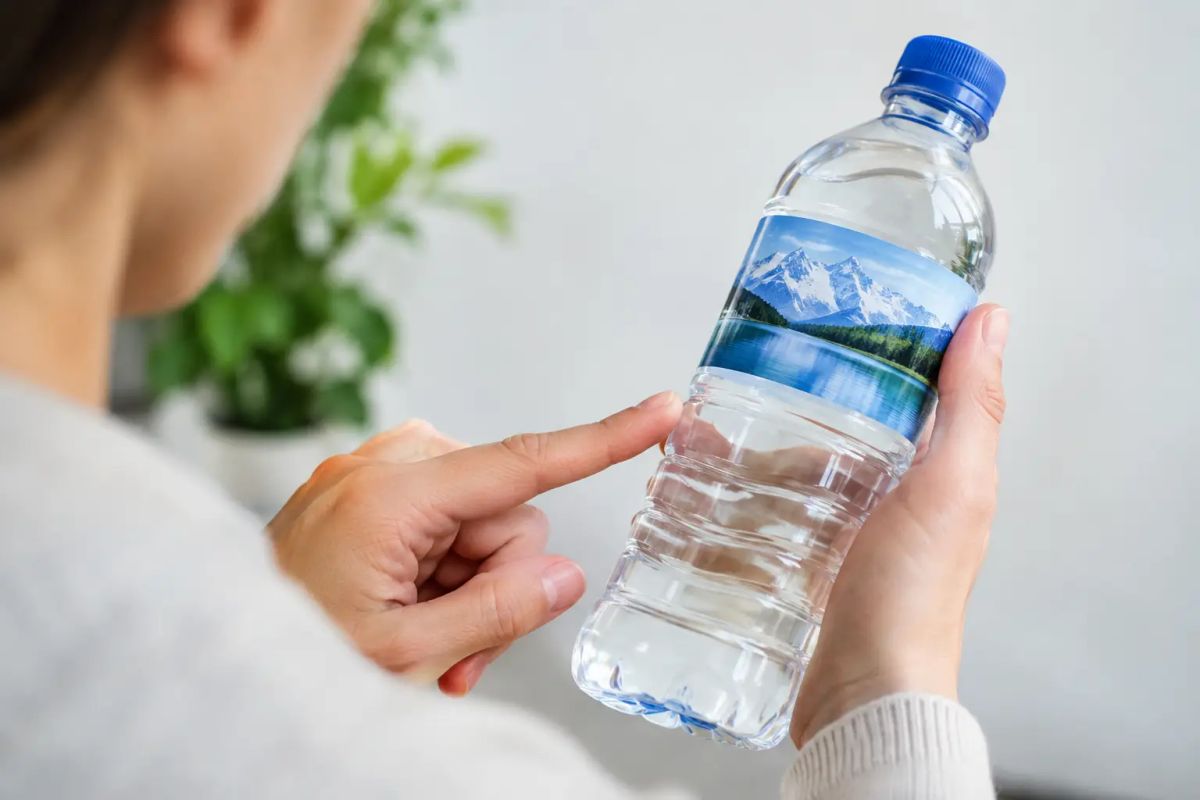
A bottle of water can name a distant mountain range, a local spring, or a municipality hundreds of miles away. The difference is more than a marketing detail. Knowing how to find water source information gives you a clearer view of what is in the bottle, how it began its journey, and why it may taste the way it does.
There is a world inside every bottle, but the source is not always presented in one obvious line. It may appear on the front label, in fine print near the barcode, or in a brand’s required source statement. Learning to read those cues turns a quick purchase into a more considered choice.
Start With the Source Statement
The most direct place to look is the label language that identifies where the water comes from. In the United States, bottled-water labels may use several source descriptions, and each one tells a different origin story.
Spring water is collected from an underground formation from which water flows naturally to the surface. It may be gathered at the spring opening or through a borehole that taps the same underground source. The name of the spring, region, or nearby landmark may appear prominently on the bottle, though the legal source statement is often smaller.
Mineral water comes from a protected underground source and contains a consistent level of dissolved minerals. Its mineral character is part of its identity. Calcium, magnesium, sodium, bicarbonate, sulfate, and silica can all contribute to the composition and the palate.
Artesian water comes from a confined aquifer, where natural pressure moves the water upward when tapped by a well. The word artesian describes the geology and pressure conditions, not necessarily a flavor profile on its own.
Purified water is a different category. It generally begins as water from a public or other approved source, then undergoes processes such as reverse osmosis, distillation, deionization, or other treatment methods. A purified-water label may identify the original source in fine print, but its defining feature is the purification process rather than a distinct spring or aquifer.
The wording matters. A bottle decorated with alpine imagery may feel connected to a mountain spring, but imagery is not the same as a source declaration. Read the actual statement before drawing a conclusion.
How to Find Water Source Clues Beyond the Front Label
The front label is designed to be noticed. The back label is designed to be read. Turn the bottle around and look for phrases such as source, bottled at source, drawn from, collected from, or product of. You may also find a bottling location, a company address, or a source identification code.
A bottling address is useful, but it is not always the source. Water can be transported from its origin to a separate bottling facility. If a label says bottled at the source, that is a more specific statement: it indicates the water was packaged where it was collected. If the label only gives a corporate address or distributor address, treat it as business information, not proof of provenance.
Geographic names deserve a closer look as well. A water may be named for a region, a mountain, or a historic spring, while the actual source statement provides the more precise location. For a consumer who values origin, the best labels connect both: a recognizable place and clear sourcing language.
Read the Mineral Profile as a Map of Origin
Source tells you where the water begins. Mineral composition helps explain its character.
As water moves through rock and soil, it dissolves trace amounts of naturally occurring minerals. The exact profile reflects the geology of the aquifer or spring system. Water that has spent time moving through limestone, for example, may show more calcium and bicarbonate. Water associated with volcanic terrain may present a different balance, sometimes with notable silica or bicarbonate content.
This is why two waters can look identical in a glass and feel very different on the palate. One may be light and crisp. Another may feel rounder, chalkier, silkier, or more structured. Sodium can add a gentle savory note. Bicarbonate can create softness. Calcium and magnesium may lend a firmer, more mineral-driven finish.
Look for a mineral analysis panel, often expressed in milligrams per liter, or mg/L. Some labels provide only a short composition, while others offer a more detailed analysis. Neither format is inherently better, but a detailed panel gives you more context for comparing waters as a beverage category.
TDS, or total dissolved solids, is another useful number. It represents the total amount of dissolved material in water and can offer a broad sense of mineral presence. It is not a tasting score. Two waters with similar TDS can have very different compositions and flavors because the minerals themselves, not just their combined amount, shape the experience.
Use pH With Context, Not as a Shortcut
pH is frequently displayed on bottled water, but it is easy to overread. It measures acidity or alkalinity at the time of testing, and it can shift with bottling conditions, temperature, and exposure to air. A pH number does not tell the full story of origin, mineral balance, or taste.
Consider it one data point alongside source type, mineral composition, and TDS. A carefully made choice comes from the complete profile, not one bold number on the front of a bottle.
Separate Origin Language From Brand Language
Premium water packaging often communicates place through color, typography, glass, landscape, and story. Those elements can be beautiful, and they are part of the ritual. But they should complement, not replace, verifiable source information.
When evaluating a bottle, ask three simple questions in sequence: What is the stated source? Where is that source located? Does the mineral profile support a clear sense of the water’s character? This approach keeps the experience both sensorial and grounded.
A named spring with a stated location and mineral analysis offers a more complete picture than a broad phrase such as natural water alone. Conversely, a minimal label is not necessarily a sign of low quality. It may simply provide less information for comparison. The point is not to rank every bottle by packaging or price. It is to know what you are choosing.
Make Source Research Practical
For a more efficient way to read a bottle, begin with the source statement, then scan the mineral panel. Take note of calcium, magnesium, sodium, bicarbonate, and TDS if they are available. Over time, you may notice preferences: perhaps you enjoy a softly mineral water with low sodium, or perhaps you prefer a more assertive, structured profile with a higher mineral presence.
Water Sommelier brings this information into focus with a simple camera-led experience. Point your phone at a bottle, and the app helps identify the product while surfacing educational details about its source origin, mineral composition, pH, and TDS. Point. Shoot. Know.
The most revealing comparison is often made at the table. Pour two waters into clear glasses, let them rest briefly, then taste them at a cool but not icy temperature. Notice texture first, then the finish. One may disappear cleanly; another may leave a subtle mineral echo. Source information gives these impressions a vocabulary.
A Better Question Than Where Does It Come From?
Finding a water source is not only about locating a point on a map. It is about understanding the relationship between place, geology, composition, and taste. A spring, an artesian aquifer, and a purified source each represent a different route to the glass.
The next time you choose a bottle, pause at the label. Find the source statement, read the numbers, and let the water tell you something specific about where it has been.
Scan any bottle. Discover its minerals, origin, and character. Get the Water Sommelier app.