
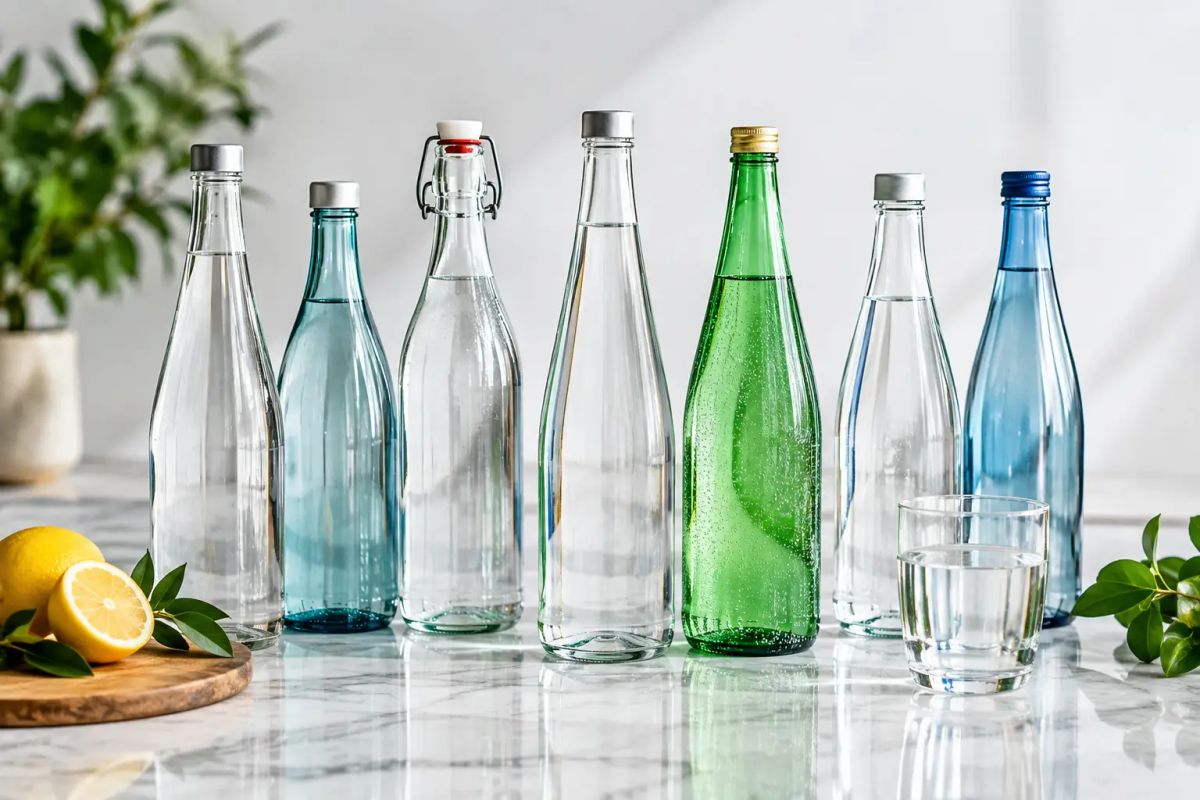
A glass bottle changes the occasion before the cap is even turned. It catches candlelight, sits comfortably beside a wine bottle, and signals that the water has been chosen rather than simply supplied. The best glass bottled waters offer more than elegant presentation: they give the drinker a clear sense of place, mineral character, and style.
This is not a universal ranking. Water preference is personal, and a crisp, neutral still water may be perfect with one meal while a high-mineral sparkling water belongs with another. Think of this as a considered cellar list: bottles worth knowing, tasting, and serving with intention.
What makes a glass-bottled water worth choosing?
Glass is a format, not a flavor. The source, mineral composition, carbonation, and bottling method shape what is in the glass. Still, glass has a certain ritual value. It presents water beautifully at the table, avoids the visual clutter of disposable packaging, and is especially suited to restaurants, dinner parties, and moments when the details matter.
When choosing a bottle, begin with origin. Spring and mineral waters carry their own geological signatures, expressed through calcium, magnesium, sodium, bicarbonate, sulfate, and other naturally occurring dissolved minerals. TDS, or total dissolved solids, offers a useful broad indication of mineral presence, but it is not a scorecard. A low-TDS water can feel delicate and clean; a high-TDS water can feel structured, saline, creamy, or intensely sparkling.
The best choice also depends on format. Still water leaves room for food and wine to speak. Fine bubbles can refresh the palate without taking over the table. Larger, more energetic bubbles can be a statement in their own right.
10 best glass bottled waters to know
Acqua Panna
Drawn from a spring in Tuscany, Acqua Panna is a graceful choice for still-water drinkers who prefer softness over drama. Its profile is generally smooth and lightly mineral, with a rounded finish that feels appropriate for long lunches and carefully composed dinners. It is a natural fit beside delicate fish, vegetables, fresh pasta, or a white wine tasting where the water should remain discreet.
S.Pellegrino
S.Pellegrino is one of the defining names in fine-dining sparkling water. Its gentle mineral character and persistent, fine effervescence give it a polished, familiar presence. Serve it well chilled, but not icy, alongside richer dishes, salty snacks, or a cheese course. The goal is not to wash flavors away, but to create contrast and lift between bites.
Gerolsteiner
Gerolsteiner makes a case for mineral water as a genuinely expressive beverage. This German sparkling water is known for a pronounced mineral profile and assertive carbonation, producing a palate that can read as structured and lively. It is not the quietest bottle on the table, which is precisely why many enthusiasts value it. Choose it when you want the water to have a voice of its own.
Badoit
Badoit brings a softer French sparkling style, with bubbles that often feel more restrained than highly charged mineral waters. Its personality is refined rather than forceful, making it an appealing bridge between still water and bold sparkling water. At the table, it works beautifully with classic bistro food, roast chicken, mushrooms, and dishes with butter or cream.
Mountain Valley Spring Water
Mountain Valley Spring Water offers an American glass-bottle classic, sourced in Arkansas. Its still expression is often selected for its composed, approachable character, while its sparkling option provides a celebratory alternative. For hosts seeking a domestic bottle with visual presence, this is a strong choice for the dining table, home bar, or guest room.
Topo Chico
Topo Chico is built for those who like a louder sparkle. Originating in Mexico, it has a vivid, highly carbonated personality that is immediately recognizable. Its energetic bubbles make it especially compelling as an aperitif-style pour, with citrus, spicy food, grilled dishes, or any occasion that calls for a brisk, festive edge. It is less about subtlety and more about momentum.
Vichy Catalan
Vichy Catalan is a distinctive Spanish mineral water with a firm, savory profile and noticeable carbonation. Its mineral signature can feel more pronounced than many mainstream sparkling waters, so it rewards an attentive first taste. Serve it with charcuterie, olives, aged cheeses, or Spanish-inspired dishes. If a water can feel gastronomic, this is one of them.
Antipodes
Antipodes, from New Zealand, is often appreciated for its calm, elegant presentation and refined still-water character. It belongs in the category of waters that complement rather than compete. The bottle is particularly at home in settings where design, hospitality, and quiet detail matter: a formal dinner, a gallery opening, or a thoughtfully set desk.
Saratoga Spring Water
Saratoga Spring Water brings a recognizable American heritage to the category, often presented in cobalt-blue glass. Available in still and sparkling expressions, it offers versatility as much as style. The still water is an easy all-day table choice, while the sparkling version lends a more festive note without requiring the intensity of a very high-carbonation bottle.
Ferrarelle
Ferrarelle is an Italian naturally sparkling mineral water with a fuller presence and an unmistakably gastronomic point of view. Its fine carbonation and mineral structure make it especially enjoyable with a meal rather than as a background beverage. Consider it with pizza, tomato-based dishes, cured meats, or food that benefits from a bright, savory counterpoint.
How to choose among the best glass bottled waters
Start with the occasion, then let the label guide you. For a quiet still-water service, look for a lower-mineral profile and a source known for softness. For a lively pre-dinner pour, select a sparkling bottle with fine or assertive bubbles depending on the mood. A mineral-forward water can stand up to rich, salty, or intensely flavored food, while a more neutral water is often better alongside subtle cooking and nuanced wine.
The mineral panel deserves a closer look. Calcium and magnesium contribute to the overall mineral composition and can influence the perceived texture of the water. Bicarbonate often appears in waters that feel rounded or savory. Sodium varies widely, and its presence can be noticeable on the palate. pH is another useful data point, but it does not predict taste on its own. A bottle is a composition, not a single number.
If a label is unfamiliar, Water Sommelier can help identify the bottle from your phone camera and present educational information about its mineral composition, pH, TDS, and source origin. Point. Shoot. Know. The purpose is not to turn every meal into an exam. It is to make a better-informed choice feel immediate.
Serve the bottle, not just the water
Temperature can flatten personality when it is too cold. Still water is often most expressive lightly chilled, while sparkling water benefits from a colder pour to preserve its sense of lift. Use clean, odor-free glassware, particularly when comparing waters side by side. A narrow glass concentrates bubbles; a wider wine-style glass allows more room to notice texture and finish.
For a dinner party, offering one still and one sparkling option is usually more thoughtful than presenting a crowded lineup. Let the bottle remain visible if its design adds to the setting, but pour with the same restraint you would bring to wine service. Water deserves attention without demanding it.
A remarkable bottle does not need to be rare, expensive, or imported from across the world. The right one is the water whose origin, mineral character, and presentation suit the moment. Open it slowly, taste before the first course arrives, and let the glass tell you where it has been.
Scan any bottle. Discover its minerals, origin, and character. Get the Water Sommelier app.